
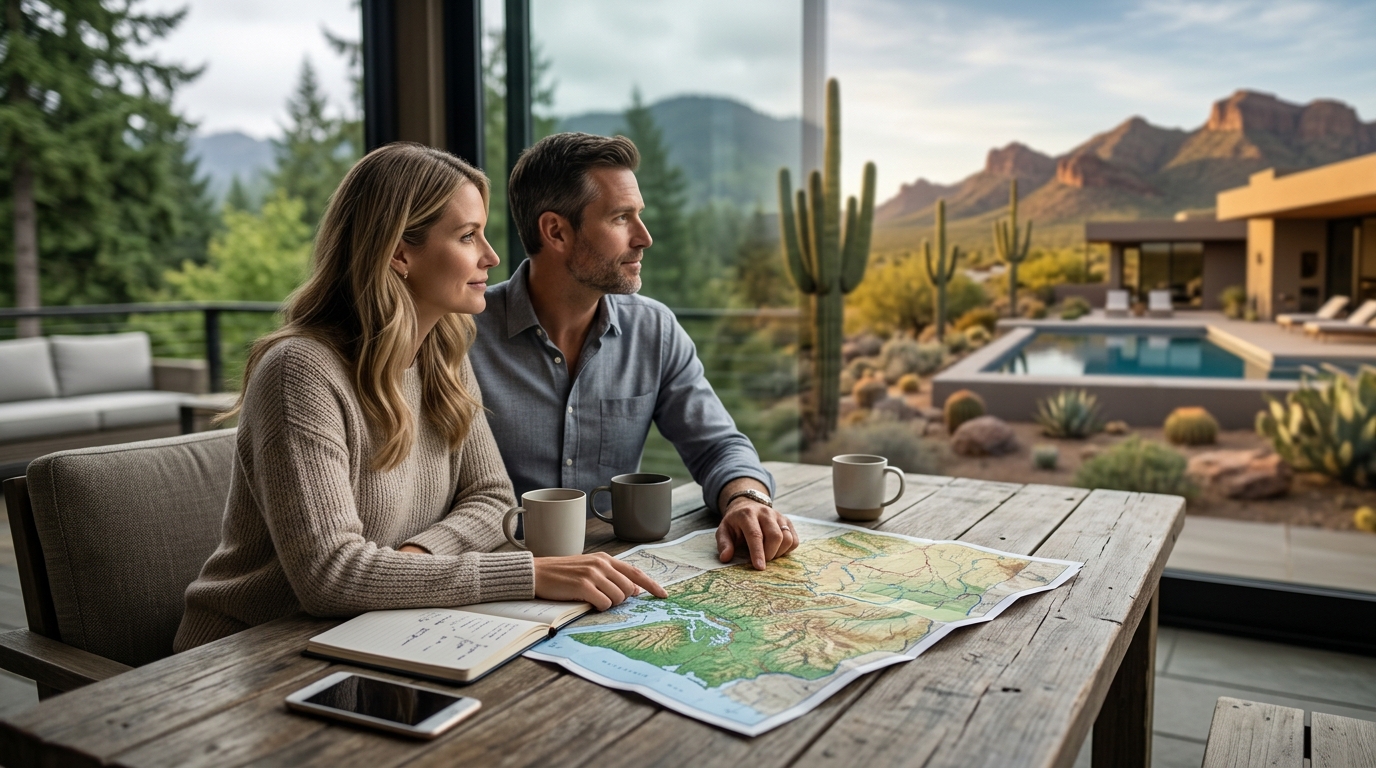
Moving from the Pacific Northwest to the Sonoran Desert is a dramatic lifestyle shift that requires more than just packing boxes. According to recent migration data, Arizona has consistently ranked among the top destinations for out-of-state movers, with a significant portion of new residents coming from Washington, California, and Colorado. This influx is driven by the promise of year-round sunshine, lower cost of living, and a robust economy. However, the transition from the lush, rainy landscapes of Washington to the arid beauty of Scottsdale and Paradise Valley can be jarring if you are not prepared. Understanding the unique environmental, cultural, and logistical differences is critical to ensuring your relocation goes smoothly. This guide outlines the most common errors Washingtonians make when moving to Arizona and provides the strategic advice needed to avoid them. (About Artie Baxter Paradise)
The Water Reality: Understanding Desert Hydrology
One of the most profound adjustments for Washington transplants is the concept of water scarcity. In Washington, water is often abundant, with regular rainfall and snowmelt feeding rivers and lakes. In Arizona, water is a precious, managed resource. Desert landscaping is not just an aesthetic choice; it is a necessity. Many new residents make the mistake of trying to replicate the green, lush lawns of the Pacific Northwest. This approach is not only unsustainable but can lead to exorbitant water bills and plant death. (Luxury Real Estate Scottsdale)
Instead, embrace xeriscaping and native plants that thrive in arid conditions. The Arizona Department of Water Resources manages these supplies carefully, and understanding local irrigation rules is essential. When you buy a home in communities like Arcadia or Silverleaf, you will find that many properties already feature drought-tolerant landscaping that blends seamlessly with the desert environment. Learning to appreciate the beauty of cacti, succulents, and desert shrubs will help you adjust faster. It is also important to understand that while Arizona has lakes and rivers, they are often far from residential areas. The convenience of walking to a creek or having a backyard stream is a luxury of Washington living that you will likely miss. Accepting this difference early on will prevent frustration and help you design a home that respects the local ecosystem.
Ignoring the Climate Shock
Washington is known for its mild, wet winters and comfortable summers. Arizona, particularly in the Phoenix metropolitan area, experiences extreme heat. Summer temperatures regularly exceed 110 degrees Fahrenheit. This is not a minor inconvenience; it dictates your daily schedule, your home maintenance, and your outdoor activities. Many newcomers underestimate the intensity of the sun and the dryness of the air.
To avoid heat-related issues, you must invest in high-quality window treatments, such as solar shades or cellular blinds, to keep your home cool. Insulation and energy-efficient HVAC systems are not luxuries in Arizona; they are requirements for comfort and cost control. Additionally, adjust your outdoor routine. The "golden hours" of early morning and late evening are your best friends. Midday activities should be reserved for indoor pursuits or air-conditioned environments. Understanding the seasonal shifts is also key. While summers are brutal, Arizona winters are mild and pleasant, often reaching the 70s and 80s. This "winter wonderland" for Washingtonians is actually the peak season for tourism and outdoor activity in the Valley. Planning your move to arrive before the winter rush can help you secure better housing options and avoid the highest prices of the season.
Choosing the Wrong Neighborhood
Washingtonians often look for neighborhoods with a specific "vibe" that mirrors their home state. However, the layout and culture of Arizona communities are distinct. Scottsdale, Paradise Valley, and Arcadia each offer a unique lifestyle that requires careful consideration. For example, Paradise Valley is known for its sprawling estates, privacy, and high-end luxury. It is ideal for those seeking seclusion and prestige. Arcadia, located closer to Phoenix, offers a more walkable, urban-suburban feel with mature trees and a vibrant dining scene. Silverleaf provides a resort-style living experience with a private golf club and mountain views.
A common mistake is choosing a neighborhood based solely on price without considering the lifestyle fit. If you miss the walkability and coffee shop culture of Seattle, Arcadia might be a better fit than the more spread-out areas of North Scottsdale. Conversely, if you value privacy and large lots, Paradise Valley or Silverleaf may be more appropriate. It is crucial to visit these neighborhoods at different times of the day and year. Talk to residents, explore the local amenities, and understand the commute patterns. The traffic in the Phoenix metro area can be significant, so living close to your workplace or preferred recreational areas can save you hours each week. Working with a local expert who understands these nuances can help you find a community that aligns with your values and daily needs.
Failing to Prepare Your Home for Heat
When buying a home in Arizona, many Washingtonians focus on square footage and layout, neglecting the critical factor of heat management. A home's orientation, insulation, and cooling system are more important than in Washington. A south-facing home without proper shading will absorb heat throughout the day, making it difficult and expensive to cool. Always ask about the home's energy efficiency rating and the age of the HVAC system.
Additionally, consider the impact of dust and monsoon season. Arizona experiences monsoons from June to September, bringing high winds, dust storms, and occasional heavy rain. These conditions can damage roofs, windows, and landscaping. Ensure your new home has robust gutters, sealed windows, and a durable roof. Landscaping should be designed to withstand wind and dust. Native plants are not only water-efficient but also resilient to these harsh conditions. If you are moving into an existing home, invest in a thorough inspection to identify any vulnerabilities to heat and dust. This proactive approach will save you from costly repairs and ensure your home remains comfortable and efficient year-round.
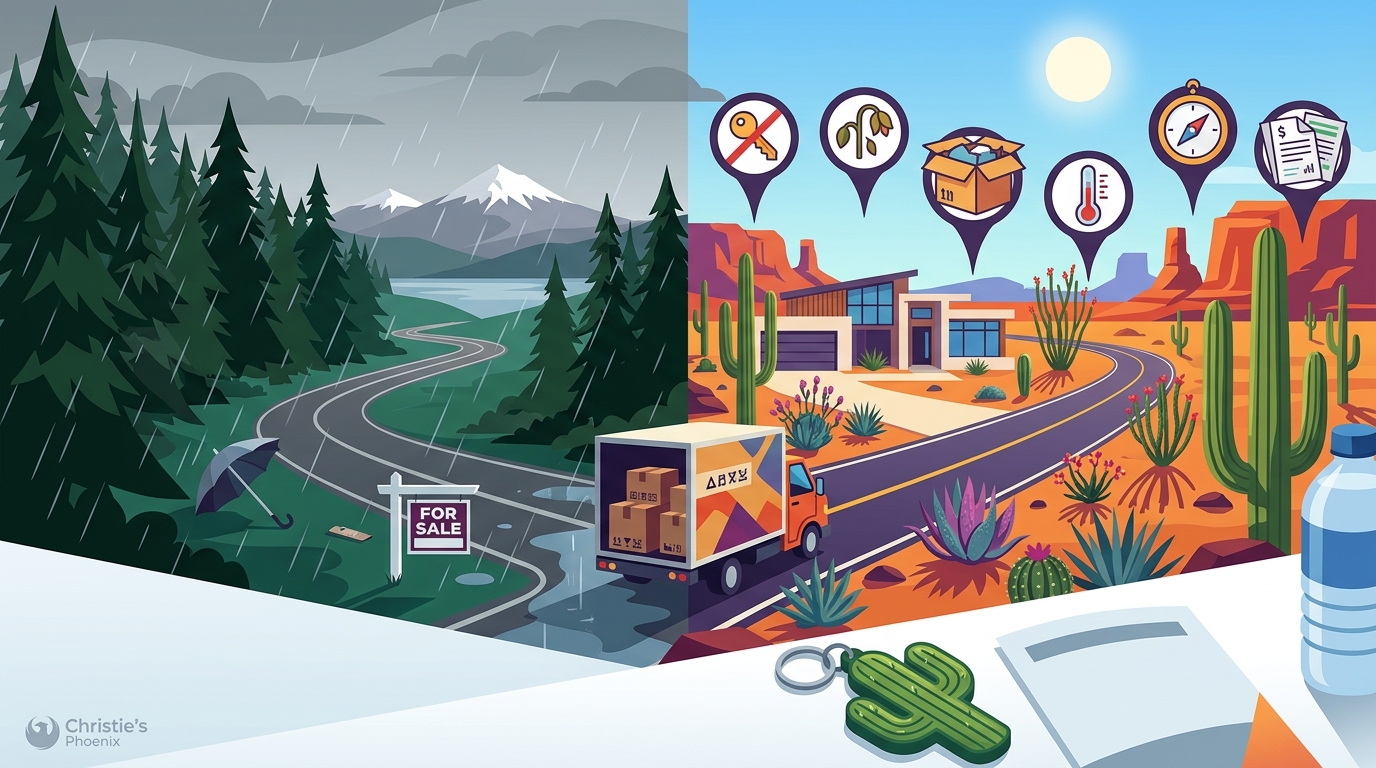
Underestimating the Lifestyle Gap
The pace of life in Arizona is different from Washington. While Phoenix is a major city, it is spread out, and car culture is dominant. Public transportation is limited compared to Seattle or Portland. You will likely need a car for almost all activities, from grocery shopping to socializing. This can be a shock for those accustomed to walking, biking, or taking light rail in Washington.
Embrace the car-centric lifestyle by planning your routes and exploring the vast recreational opportunities available. Arizona offers world-class golf, hiking, and outdoor sports. The proximity to mountains, canyons, and lakes provides endless opportunities for adventure. However, you must plan these activities around the heat. Early morning hikes are popular, but midday excursions should be avoided. Additionally, the social culture in Arizona is often more outdoor-oriented. Patios, pools, and backyards are extensions of the living room. Investing in a quality outdoor space can significantly enhance your enjoyment of the Arizona lifestyle. It is also important to note that the cost of living, while lower than Washington in some areas, can be high in luxury neighborhoods. Understanding the local market dynamics is essential for budgeting your new life in the desert.
Financial Miscalculations
While Arizona is often touted as a lower-cost alternative to Washington, this is not always true, especially in the luxury market. Property taxes, insurance, and maintenance costs can be higher in Arizona. Property taxes in Arizona are generally lower than in Washington, but homeowners insurance can be significantly higher due to the risk of heat, dust, and monsoon damage. Additionally, the cost of maintaining a home in a desert environment, including cooling and landscaping, can add up.
When budgeting for your move, include these ongoing costs in your calculations. Also, consider the impact of seasonal tourism on housing prices. During the winter months, demand for rentals and purchases increases, which can drive up prices. If you are buying, timing your purchase during the off-season (summer) might offer more negotiation leverage. It is also wise to consult with a local financial advisor or real estate expert who understands the nuances of the Arizona market. They can help you assess the true cost of ownership and ensure you are making a sound financial decision. Understanding the local tax structure, including state and local taxes, is also crucial for long-term financial planning.
Skipping Professional Guidance
Perhaps the most critical mistake is attempting to navigate the Arizona real estate market without local expertise. The luxury real estate market in Scottsdale and Paradise Valley is complex and competitive. Properties can move quickly, and the nuances of desert living require specialized knowledge. A local agent who understands the market dynamics, neighborhood characteristics, and environmental factors can save you time, money, and stress.
Artie Baxter, a top producer with Christie's International Real Estate, specializes in helping buyers and sellers navigate Arizona's luxury market. With over 25 years of experience, Artie provides honest advice, thoughtful strategy, and concierge-level service. He understands the unique considerations that come with relocating from states like Washington and is passionate about helping clients find not just a home, but the right community. Whether you are looking for a private estate in Paradise Valley, a charming home in Arcadia, or a luxury property in Silverleaf, Artie's expertise can guide you to the best decision. His deep knowledge of the market, combined with his commitment to client relationships, ensures a smooth and successful relocation. Do not underestimate the value of professional guidance in such a significant life transition.
Key Takeaways
- Embrace xeriscaping and native plants to adapt to Arizona's arid climate and reduce water usage.
- Invest in high-quality window treatments and energy-efficient HVAC systems to manage extreme heat.
- Choose neighborhoods like Arcadia, Scottsdale, or Paradise Valley based on lifestyle fit, not just price.
- Prepare your home for monsoon season with robust gutters, sealed windows, and durable roofing.
- Plan outdoor activities for early morning or late evening to avoid peak heat hours.
- Factor in higher homeowners insurance and maintenance costs when budgeting for your new home.
- Work with a local luxury real estate expert to navigate the complex market and find the right community.
Frequently Asked Questions
What is the best time of year to move from Washington to Arizona?
The best time to move is typically in the spring or fall when temperatures are mild. Avoiding the extreme heat of summer and the peak winter tourism season can help you secure better housing options and avoid higher prices.
How does the cost of living in Scottsdale compare to Seattle?
While housing prices in luxury areas of Scottsdale can be comparable to Seattle, overall costs for utilities, insurance, and maintenance may be higher due to the desert climate. However, property taxes are generally lower in Arizona.
Is public transportation available in Phoenix and Scottsdale?
Public transportation is limited compared to larger cities like Seattle. A car is essential for most daily activities, including commuting, shopping, and socializing.
What are the best neighborhoods for families relocating from Washington?
Arcadia is often recommended for families due to its walkable streets, excellent schools, and community feel. Scottsdale and Paradise Valley also offer great options, depending on your budget and lifestyle preferences.
How do I prepare my home for monsoon season?
Ensure your gutters are clean, windows are sealed, and your roof is in good condition. Landscaping should be designed to withstand wind and dust, with native plants being the best choice.
Why is it important to work with a local real estate agent?
A local agent understands the nuances of the desert market, including neighborhood characteristics, environmental factors, and pricing trends. This expertise can help you make informed decisions and avoid costly mistakes.
What should I know about desert landscaping?
Desert landscaping uses native, drought-tolerant plants that require less water and maintenance. It is not only environmentally responsible but also cost-effective and aesthetically suited to the Arizona landscape.
Start Your Arizona Journey Today
Relocating from Washington to Arizona is a significant step that offers incredible rewards, from stunning landscapes to a vibrant lifestyle. By avoiding these common mistakes and preparing for the unique challenges of desert living, you can ensure a smooth and successful transition. Whether you are seeking the privacy of Paradise Valley, the charm of Arcadia, or the luxury of Silverleaf, the right guidance is essential. Contact Artie Baxter today to schedule a consultation and begin your journey to your dream home in Arizona. Let his expertise help you navigate the market with confidence and find the perfect community to call home.