
7 Key Qualities to Look for in a Dual-Expertise Real Estate Agent
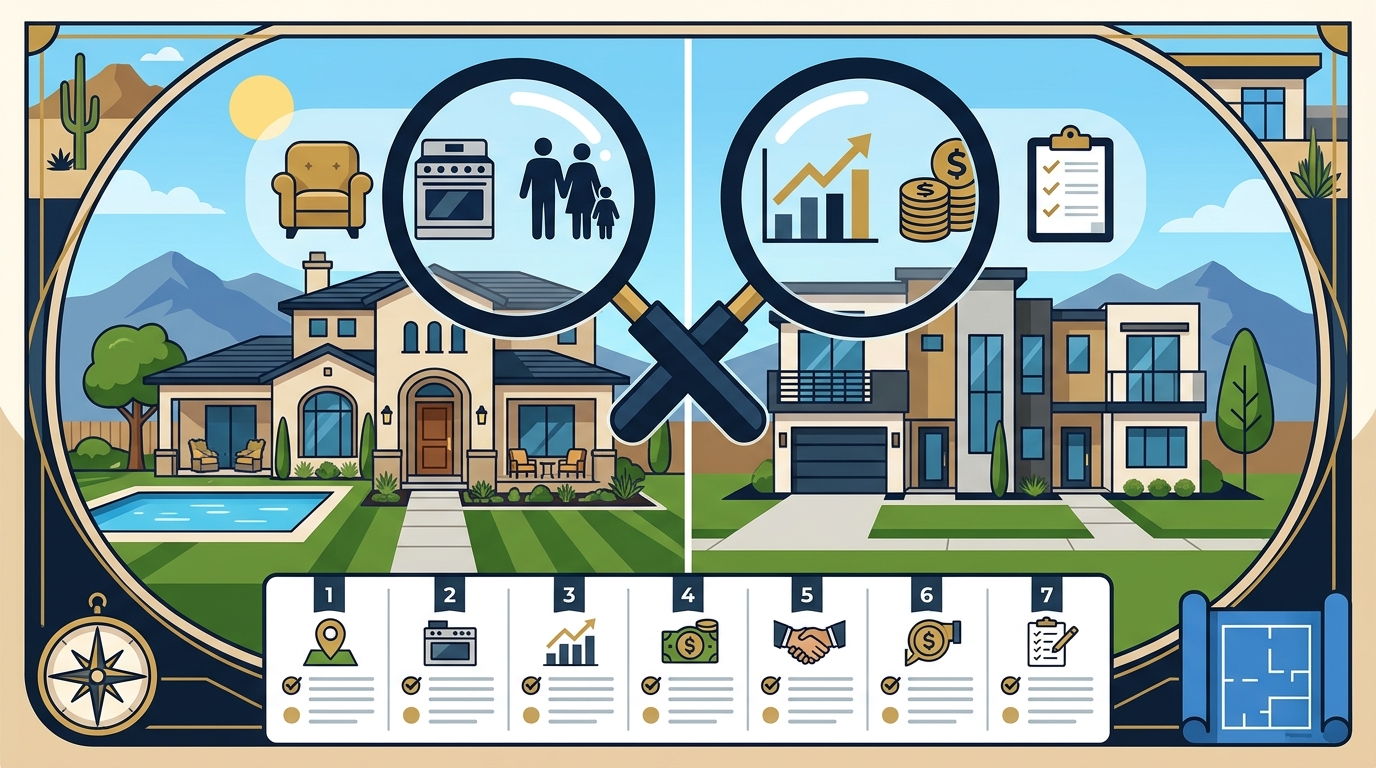
Buying a personal residence and an investment property simultaneously requires a specialized approach that balances lifestyle needs with financial returns. A dual-expertise agent understands the distinct motivations behind each purchase, ensuring your personal home meets your daily needs while your investment property generates strong cash flow or appreciation. Artie Baxter, a luxury real estate expert in Scottsdale, Arizona, brings over 25 years of experience to this complex process, helping clients navigate both markets with strategic precision.
1. Distinct Market Knowledge for Residential and Investment Sectors
True dual expertise requires deep, separate knowledge of both residential and investment market dynamics. A qualified agent must understand the nuances of luxury residential neighborhoods, such as school districts and architectural styles, while simultaneously analyzing investment metrics like cap rates and rental yields. In the Phoenix area, this means knowing which Scottsdale communities offer the best long-term appreciation for investors versus which Paradise Valley estates provide the privacy and prestige personal buyers seek. This bifurcated knowledge prevents the common mistake of applying investment logic to a personal home purchase or lifestyle logic to a revenue-generating asset.
2. Strategic Portfolio Diversification Advice
Effective agents help clients build a balanced real estate portfolio rather than just closing individual deals. They assess how a new investment property fits into your existing financial picture, considering risk tolerance and liquidity needs. For example, an agent might recommend a high-end condo in Old Town Scottsdale for rental income while suggesting a single-family home in Arcadia for your primary residence. This holistic view ensures that your real estate holdings complement each other, providing both stability and growth potential without overexposing you to a single market segment. according to TREC Rules Texas
3. Proficiency in Complex Financing and Tax Implications
Handling dual purchases requires fluency in the different financing and tax rules that apply to each property type. Investment properties often have different loan requirements, interest rates, and depreciation benefits compared to primary residences. A skilled agent coordinates with lenders and tax professionals to ensure you understand the full financial picture, including how holding both properties affects your overall tax liability. This expertise is crucial in Arizona, where property tax structures and local incentives can significantly impact the bottom line of an investment property.
4. Strong Negotiation Skills Tailored to Different Objectives
Negotiation strategies must shift dramatically depending on whether you are buying for personal use or investment. For a personal home, the focus is on emotional fit, condition, and long-term livability, often requiring flexibility on price to secure the right property. For an investment, the negotiation is strictly financial, focusing on maximizing return on investment and minimizing risk. An agent with dual expertise knows how to pivot between these mindsets, ensuring you do not overpay for an investment property due to emotional attachment or miss a personal home due to overly rigid financial constraints.
5. Access to Exclusive Off-Market Opportunities
Top-tier agents have access to off-market listings that are not available to the general public. In luxury markets like Scottsdale and Paradise Valley, many of the most desirable properties are sold through private networks before they ever hit the MLS. For investors, this access can mean securing high-performing assets before competition drives up prices. For personal buyers, it can mean finding a rare estate that perfectly matches their lifestyle needs. Artie Baxter’s position as a Top Producer with Christie's Phoenix provides access to these exclusive networks, giving clients a significant advantage in both markets. according to TREC Rules Texas
6. Comprehensive Property Management and Exit Strategy Planning
A dual-expertise agent thinks beyond the closing table, planning for the long-term management and eventual sale of your properties. They understand the operational demands of managing an investment property, including tenant relations and maintenance, and can connect you with reliable property management services. They also develop clear exit strategies for both properties, ensuring you know when and how to sell to maximize your returns. This forward-thinking approach transforms real estate from a static asset into a dynamic component of your overall wealth strategy.
7. Transparent Communication and Conflict of Interest Management
Clear communication is essential when one agent represents you in two different types of transactions. You need to be confident that your agent is not prioritizing one deal over the other or allowing a conflict of interest to influence their advice. A reputable agent will clearly disclose their role in each transaction and provide objective, unbiased recommendations. This transparency builds trust and ensures that both your personal and investment goals are served with equal dedication and integrity.
Choosing the Right Agent for Your Dual Purchase
When selecting an agent for both personal and investment purchases, prioritize those with proven experience in both sectors and a track record of successful dual transactions. Look for agents who can demonstrate specific examples of how they have balanced the unique requirements of each property type. In the Phoenix luxury market, working with a specialist like Artie Baxter ensures you have a partner who understands the intricacies of high-end residential living and the financial mechanics of investment real estate.
Frequently Asked Questions
Can one real estate agent handle both a personal home and an investment property purchase?
Yes, a qualified agent can handle both, provided they have specific expertise in both residential and investment markets. This allows for a streamlined process and a cohesive strategy that considers how both properties fit into your overall financial plan.
What is the main difference in negotiating a personal home versus an investment property?
The main difference is the primary objective. Personal home negotiations focus on lifestyle fit and emotional satisfaction, while investment property negotiations focus strictly on financial metrics like return on investment and cash flow.
How does an agent help with the tax implications of owning both types of properties?
An agent coordinates with tax professionals to explain how depreciation, deductions, and capital gains differ between primary residences and investment properties. They ensure you understand the full tax picture before making an offer.
Is it better to use separate agents for personal and investment purchases?
Using one dual-expertise agent is often more efficient and cost-effective, as they can see the big picture and negotiate both deals strategically. However, if you cannot find an agent with strong expertise in both areas, using separate specialists is a viable alternative.
What should I look for in an agent's track record for dual purchases?
Look for specific examples of clients who have successfully purchased both a personal residence and an investment property with their guidance. Ask about the outcomes of those deals, including how the agent balanced the different objectives and managed the timeline for both transactions.